Address
2949 Boundary Street
Jacksonville, FL 32202
Work Hours
Monday to Friday: 7AM - 7PM
Weekend: 10AM - 5PM
Address
2949 Boundary Street
Jacksonville, FL 32202
Work Hours
Monday to Friday: 7AM - 7PM
Weekend: 10AM - 5PM

Every tonneau cover is built from one of two primary materials: aluminum or vinyl. Some covers combine both — vinyl-wrapped aluminum slats, for example — but at their core, the material choice drives the cover’s weight, durability, weather performance, security, and price. Understanding the practical differences between aluminum and vinyl helps you choose the right material for your truck and usage pattern.
This isn’t a debate with a single winner. Aluminum covers are objectively stronger and more secure. Vinyl covers are objectively lighter and more affordable. The right choice depends on what you need the cover to do, not on which material is “better” in the abstract. Let me walk through the real-world differences so you can match the material to your priorities.

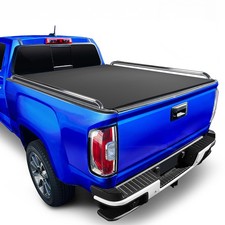


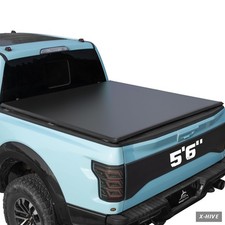
Aluminum tonneau covers are better for weather protection, security, durability, and long-term value. They cost more, weigh more, and have more complex installation. Vinyl tonneau covers are better for budget-conscious buyers, lightweight operation, easy installation, and truck owners who prioritize convenience over maximum protection. For most truck owners who plan to keep the cover for 3+ years, aluminum offers better overall value despite the higher upfront cost.
Automotive-grade aluminum is the material of choice for hard tonneau covers — tri-folds, retractable slats, and hard roll-ups all use aluminum as their primary structural material. The aluminum used in tonneau covers is typically 6000-series alloy, similar to what’s used in truck body panels. It’s lightweight for a metal, corrosion-resistant, and rigid enough to maintain its shape under snow loads, rain, and minor impacts.
Aluminum panels are coated with powder-coat finishes, paint, or proprietary protective layers (like BAKFlip’s DURA coating) that add UV resistance, scratch protection, and color. The base aluminum doesn’t rust, but the coating determines how well the surface resists scratching, fading, and cosmetic wear. A well-coated aluminum panel maintains its appearance for 5–8 years under normal conditions.
The structural rigidity of aluminum is what makes it effective for weather sealing. Rigid panels shed water predictably, maintain consistent contact with perimeter seals, and don’t sag or deform under loads. This rigidity is also what provides security — aluminum panels resist prying, cutting, and forced entry far better than any flexible material.
Vinyl — specifically marine-grade or automotive-grade vinyl — is the primary material for soft tonneau covers. Modern tonneau cover vinyl is engineered for outdoor exposure, with UV stabilizers, mildew resistance, and flexible plasticizers that maintain pliability across temperature extremes. Premium vinyl covers use leather-grain textured vinyl that resists cracking better than smooth vinyl.
The best vinyl tonneau covers use multi-layer construction: a vinyl outer surface bonded to a fabric backing for tear resistance and dimensional stability. Some premium soft covers use woven synthetic fabrics instead of pure vinyl — TruXedo’s Pro X15 uses a woven material that’s more tear-resistant and maintains tension better than standard vinyl.
Vinyl’s defining characteristic is flexibility. It rolls, folds, and conforms to shapes easily. This flexibility enables the lightweight, simple designs that make soft covers so popular. But flexibility is also vinyl’s weakness — it can’t maintain structural rigidity, which limits weather performance, load-bearing ability, and security.
Aluminum covers provide significantly better weather protection than vinyl covers. The rigid panels create predictable water-shedding surfaces that direct rain to engineered drain channels. The panel-to-rail contact is consistent, allowing perimeter seals to maintain compression evenly. Even at the hinge points (the weakest spots on any folding cover), the rigid panels maintain seal alignment better than flexible materials.
Vinyl covers rely on tension to create a smooth surface that sheds water. When properly tensioned, a quality vinyl cover handles light to moderate rain effectively. But the flexibility that makes vinyl easy to operate also means it can sag, pool water, and lose seal contact under heavy rain or wind pressure. The tension system requires periodic adjustment, and even the best-maintained vinyl cover will pool water in sustained heavy rain.
Snow performance heavily favors aluminum. A rigid aluminum panel distributes snow weight to the bed rails through the cover frame. Vinyl covers sag under snow, and heavy accumulation can stretch the fabric permanently. In snow-heavy climates, aluminum covers handle winter conditions with far less owner intervention — you don’t need to rush outside after every snowfall to brush off a sagging vinyl cover.
UV resistance is closer between the two materials than you might expect. Modern vinyl with UV stabilizers can last 3–5 years before showing significant fading or cracking. Coated aluminum lasts 5–8 years before the coating shows wear. Both benefit substantially from regular UV protectant application. The gap isn’t as wide as “aluminum is permanent, vinyl degrades” — both materials age, just at different rates.
This category isn’t close. Aluminum provides meaningful physical security. Vinyl provides essentially none.
An aluminum panel resists cutting, prying, and impact. A thief would need power tools or significant time with hand tools to breach an aluminum tonneau cover. Combined with a locking latch system, aluminum covers create a barrier that deters all but the most determined thieves.
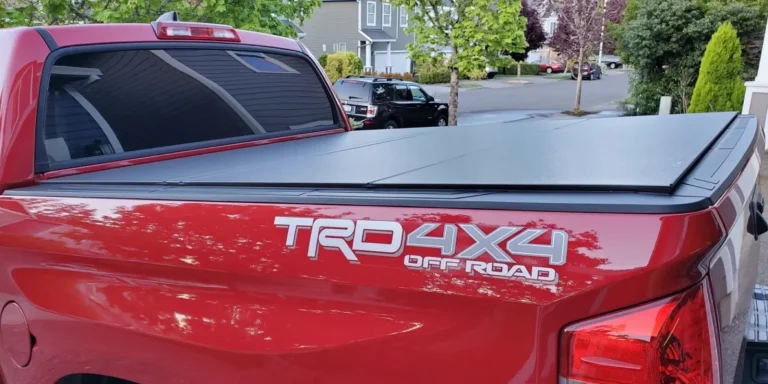
Vinyl can be cut with any sharp blade in seconds. A box cutter, pocket knife, or even sharp scissors will open a vinyl cover instantly. No latch system, no reinforcement, and no clever engineering changes this fundamental material limitation. Vinyl covers conceal your cargo (which deters opportunistic theft), but they provide zero physical barrier to anyone who decides to access the bed.
If you carry valuable tools, equipment, or personal items in your truck bed and leave the truck unattended, aluminum covers are the minimum security standard worth considering. Vinyl covers are appropriate when concealment is sufficient — groceries, personal bags, non-valuable items that are more annoying than costly to replace.
Vinyl covers weigh substantially less than aluminum. A typical soft roll-up weighs 15–25 pounds. A soft tri-fold weighs 20–35 pounds. By comparison, a hard aluminum tri-fold weighs 50–75 pounds, and a retractable aluminum cover weighs 60–90 pounds with the canister hardware.
This weight difference affects daily operation. A vinyl roll-up opens and closes with one hand effortlessly. A vinyl tri-fold panel lifts with minimal effort. An aluminum tri-fold panel requires more deliberate lifting, and some owners find the heavier panels awkward to fold overhead, especially on taller trucks. The weight difference also affects installation — a vinyl cover is a genuine solo install, while heavier aluminum covers benefit from a second person.
For truck owners with physical limitations — shoulder issues, back problems, or simply preference for lighter operation — vinyl covers offer practical advantages that no amount of aluminum engineering can match. The lightest aluminum covers still weigh twice what vinyl covers do.
Aluminum covers have a longer service life under normal conditions. The panels themselves are essentially permanent — aluminum doesn’t fatigue from repeated use the way vinyl does. The wear components on aluminum covers are the seals, hinges, and latches, all of which are replaceable. A well-maintained aluminum cover can last 8–10 years before needing anything more than seal and hinge replacements.
Vinyl covers have a finite material lifespan regardless of maintenance. The vinyl itself degrades from UV, thermal cycling, and mechanical flexing. Every roll-and-unroll cycle creates micro-stress in the material that accumulates over time. Creases develop, tension decreases, and eventually the vinyl cracks or tears. Quality vinyl covers from reputable brands last 3–5 years of regular use. Budget vinyl covers can show degradation within 1–2 years.
The durability gap widens significantly in harsh environments. Extreme UV (desert Southwest), extreme cold (northern plains), salt air (coastal regions), and frequent temperature swings all accelerate vinyl degradation faster than aluminum coating wear. If your truck lives in a harsh climate, aluminum’s durability advantage increases proportionally.
Vinyl covers are the clear winner on upfront cost:
Vinyl covers: $200–$500 for soft roll-ups, $250–$550 for soft tri-folds. This is the most accessible price range in the tonneau cover market and the primary reason vinyl covers dominate sales volume.
Aluminum covers: $400–$1,200 for hard tri-folds, $700–$1,400 for hard roll-ups, $900–$2,200 for retractable covers. The entry price for aluminum is close to the ceiling for vinyl.
But the cost-per-year calculation is closer than the sticker prices suggest. A $300 vinyl cover lasting 3 years costs $100/year. An $900 aluminum cover lasting 8 years costs $112/year. For truck owners who keep their trucks long-term, the annual cost is nearly identical, but the aluminum cover provides better protection throughout its longer life.
When closed, aluminum covers generally look more polished and factory-integrated than vinyl covers. The rigid surface, precise panel lines, and coated finish create a premium appearance that enhances the truck’s overall look. Premium aluminum covers like the BAKFlip MX4 are specifically designed to look like OEM factory options.
Vinyl covers look good but are identifiable as aftermarket additions. The fabric surface, visible crossbar ridges (on roll-ups), and panel seams (on tri-folds) are noticeable up close. From across a parking lot, the difference is minimal. For truck owners who prioritize aesthetics, aluminum covers provide a more integrated appearance.
Vinyl covers require more frequent maintenance to reach their maximum lifespan. UV protectant every 2–3 months, tension adjustment every few months, and careful cleaning with vinyl-safe products are all necessary to prevent premature degradation. Neglect the UV protectant for a summer, and you’ll see noticeable cracking by fall.
Aluminum covers need less frequent maintenance: wash like your truck (every 2–4 weeks), wax 2–3 times per year, and lubricate hinges every 6 months. Seal maintenance is the same for both materials. Aluminum is more forgiving of maintenance neglect — skip a wax session and the panels still perform fine, just with slightly less cosmetic protection.
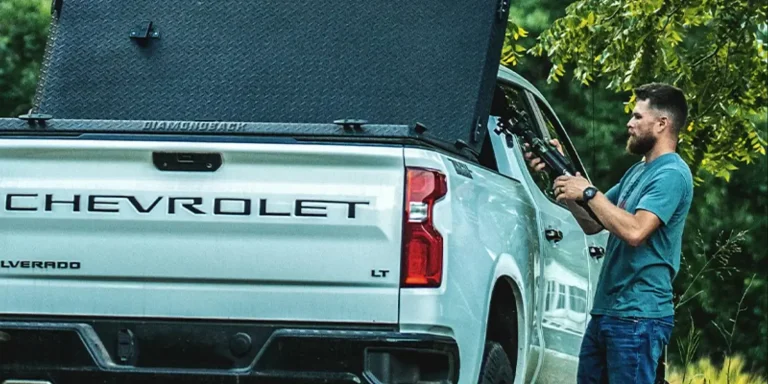
No. Vinyl covers have no load-bearing capacity. Even placing a light item like a bag of mulch on a vinyl cover will cause sagging and potential tearing. Vinyl covers are for covering the bed, not supporting weight. If you need to carry items on top of the cover, you need an aluminum hard cover or a specialty load-bearing cover like the DiamondBack.
Yes. Vinyl shows UV fading earlier — typically within 2–3 years without UV protectant, versus 4–6 years for coated aluminum. Regular application of UV protectant extends vinyl life significantly. Both materials benefit from UV care, but vinyl’s timeline is shorter and the consequences of neglect are more visible.
It’s a hybrid. Hard roll-up covers like the BAK Revolver use aluminum slats wrapped in vinyl. You get the structural benefits of aluminum (rigidity, security, load distribution) with the cosmetic and weather-sealing benefits of a vinyl surface. These covers perform closer to aluminum in every category except aesthetics, where the vinyl wrap adds a smooth, uniform appearance.
Vinyl is easier to patch — fabric repair kits and vinyl cement can fix small tears in minutes. Aluminum dents are harder to repair — minor dents sometimes can be worked out, but significant dents usually require panel replacement. However, aluminum is far less likely to be damaged in the first place, so the repair frequency is much lower.
Yes, in most cases. Both material types use similar clamp-on mounting systems for specific truck models. Remove the vinyl cover, install the aluminum cover using the same bed rail contact points. The mounting hardware will be different (aluminum covers are heavier and use more robust clamps), but the installation footprint on the truck is usually the same.