Address
2949 Boundary Street
Jacksonville, FL 32202
Work Hours
Monday to Friday: 7AM - 7PM
Weekend: 10AM - 5PM
Address
2949 Boundary Street
Jacksonville, FL 32202
Work Hours
Monday to Friday: 7AM - 7PM
Weekend: 10AM - 5PM
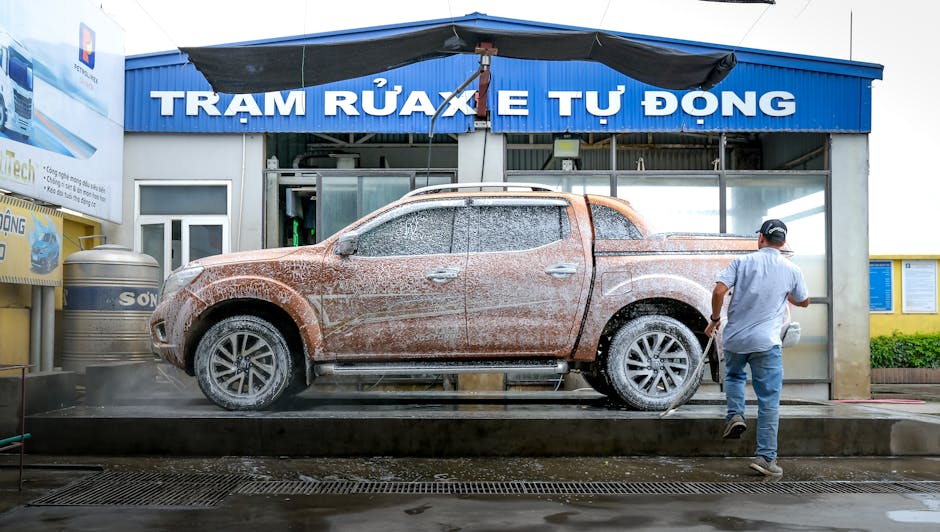
You pull up to the car wash entrance and pause. Your truck has a tonneau cover that cost several hundred dollars. The car wash has spinning brushes, high-pressure jets, and industrial chemicals. Can these two things coexist without disaster? The answer depends on your car wash type and your tonneau cover type — and getting this wrong can result in a scratched cover, damaged seals, or water flooding your truck bed.
This is one of the most commonly asked questions in tonneau cover forums, and the answers are usually vague — “it should be fine” or “I wouldn’t risk it.” Let me give you the specific answer for each cover type and car wash type so you can make an informed decision rather than guessing.
Products are available — click below to view them!
SEE DETAILSTouchless car washes: Safe for all hard tonneau covers. Generally safe for soft covers if properly secured. Brush/friction car washes: Safe for most hard covers but can scratch finishes. Not recommended for soft covers — brushes can snag, tear, or damage vinyl and fabric. Self-service pressure washes: Safe for all covers when used at reasonable distance. Best practice: Touchless automatic washes are the safest universal option for any tonneau cover.
Touchless washes use high-pressure water jets and chemical sprays without any physical contact. No brushes, no cloth strips, no spinning bristles. This makes them the safest option for virtually every tonneau cover type.
Hard folding covers: Fully compatible. The high-pressure water cleans the panel surfaces effectively, and the chemicals used in touchless washes are generally safe for aluminum coatings and powder-coat finishes. The water pressure is strong but not strong enough to damage panel seals or force water through properly sealed joints. Run through confidently.
Retractable covers: Fully compatible when the cover is closed and locked. The continuous surface handles the water jets without issue. One caution: ensure the cover is fully closed and locked before entering the wash. A partially open retractable cover can catch water in the gap and funnel it into the canister or bed interior.
Soft roll-up and tri-fold covers: Compatible with caveats. The high-pressure jets can push water under the cover edges more aggressively than natural rain. Ensure the cover is properly latched and tensioned before the wash. After the wash, check inside the bed for any water that entered through the seals. The chemical sprays are generally safe for vinyl, though frequent touchless washes can accelerate seal degradation over time due to the stronger chemicals used versus normal rain.
One note about touchless washes: some use a “blast” or “spot-free rinse” cycle at the end with very high pressure aimed at removing remaining soap. This final blast can be intense enough to loosen poorly tensioned soft covers or force water through marginal seals. If your soft cover isn’t perfectly tight, the touchless wash may reveal seal weaknesses you didn’t know about.
Brush washes use rotating bristles, cloth strips, or foam pads that physically contact the vehicle surface. These are the most common automatic car wash type and the most problematic for tonneau covers.
Hard folding covers: The brushes can scratch the cover’s painted or coated surface, just as they can scratch truck paint. If your cover has a matte finish (like the BAKFlip MX4’s DURA coating), brush contact can create visible swirl marks or scratches. The cover will function fine — the damage is cosmetic — but owners who care about their cover’s appearance should avoid brush washes. Hard covers with textured finishes (like the UnderCover ArmorFlex) are more forgiving because the texture hides minor scratching.
Retractable covers: Brush contact can scratch polycarbonate and aluminum surfaces. More concerning, the brushes can catch on the rail edges or the joint between the last visible slat and the rear seal. If a brush snags the rail edge, it can push the cover partially open or damage the rail alignment. Avoid brush washes with retractable covers.
Soft covers: Avoid brush washes entirely with soft covers. Spinning brushes can snag the fabric, catch on seams or velcro, and tear the material. Even without tearing, the friction can create wear patterns and scuffs that accelerate the cover’s aging. The risk isn’t worth the convenience.
Self-service washes give you control over pressure, angle, and distance. This makes them safe for all cover types when used properly.
For all cover types: Keep the spray wand at least 12 inches from the cover surface. Use a sweeping motion rather than concentrating the spray on one spot. Avoid directing the spray directly into seal joints, hinge lines, or the tailgate junction — angle the spray to wash across these areas rather than into them. The same car wash soap that’s safe for your truck paint is safe for your tonneau cover.
Self-service bays are actually the best option for tonneau cover cleaning because you can specifically clean areas that automatic washes miss — hinge crevices, seal edges, drain tube openings, and the underside of the cover near the tailgate. Take the extra few minutes to clean these detail areas while you have the pressure wand in hand.
Hand washing is the safest method for any tonneau cover and the method that all manufacturers recommend. Bucket wash with automotive soap, microfiber mitt or soft-bristle brush, garden hose rinse. You control the pressure, the chemicals, and the contact. This is also the only method that lets you properly clean the seals, hinges, and drainage channels that automatic washes can’t reach.
The practical reality is that most truck owners don’t hand-wash every time — they go through automatic washes for convenience and save hand washing for periodic deep cleaning. That’s a reasonable approach as long as you choose the right automatic wash type for your cover.
Automatic car washes use stronger chemicals than what you’d use at home. Most are safe for tonneau covers, but be aware of a few things:
Acidic wheel cleaners: Some car washes spray acid-based wheel cleaner that can drift onto the bed area. Prolonged contact with acidic cleaners can damage aluminum coatings and degrade rubber seals. If you notice the wheel cleaning station spraying near your bed, rinse the cover area as soon as possible.
Drying agents: The wax or sealant products applied in “premium” wash cycles can build up on rubber seals, affecting their compression and effectiveness over time. This isn’t a single-wash problem — it’s a cumulative effect over many washes. If you use premium wash cycles regularly, wipe your seals clean during your periodic maintenance sessions.
Hot wax: Some washes apply heated wax that can temporarily soften vinyl. This isn’t damaging in a single application, but repeated hot wax cycles can affect soft cover texture and tension. If your regular wash includes hot wax, monitor your soft cover’s condition and adjust tension after washes if needed.
Here’s the quick reference for every combination:
Hard folding + touchless: Safe. Go ahead without concern. The rigid panels and sealed edges handle the high-pressure spray well.
Hard folding + brush: Functional but may scratch the finish. Acceptable for covers with textured finishes that hide minor scratching. Avoid for covers with glossy or matte premium finishes you want to protect.
Retractable + touchless: Safe when fully closed and locked. Ensure the cover is completely sealed before entering.
Retractable + brush: Not recommended. Brushes can catch on rail edges and slat joints, potentially causing alignment issues or surface damage.
Soft cover + touchless: Generally safe if latched and tensioned properly. Check the bed interior afterward for any water that entered during the high-pressure cycle.
Soft cover + brush: Avoid entirely. Spinning brushes can snag, tear, or damage the flexible cover material. The risk of damage outweighs the convenience.
If you’re not comfortable taking your tonneau cover through any car wash, there are practical alternatives that keep the cover clean without the risk:
Quick detail spray: Between washes, a spray-on detail product (Meguiar’s Quick Detailer or similar) applied with a microfiber cloth removes light dirt and maintains the cover’s appearance in under 5 minutes. This works for both hard and soft covers and is the fastest way to keep the cover looking good between thorough cleanings.
Rinseless wash: Products like Optimum No Rinse let you clean the cover with a bucket and towels — no hose needed. Mix the product in a bucket, soak a microfiber towel, wipe the cover section by section. This is gentle enough for any cover material and thorough enough to remove road grime, bird droppings, and pollen. It’s the best method for apartment dwellers without hose access.
Foam cannon pre-wash: If you have a pressure washer at home, a foam cannon applies thick suds that loosen dirt without contact. Let the foam dwell for 3–5 minutes, then rinse with a standard garden hose. The foam does the scrubbing work so you don’t need to touch the cover surface — minimizing scratch risk on both hard and soft covers.
After any car wash — automatic or manual — do a quick 60-second inspection:
Check that all latches are still fully engaged. Car wash vibration and water pressure can partially release some latch types. Check the bed interior for water. If you find more water than expected, you’ve identified a seal weakness that needs attention. Check the cover surface for any new scratches or damage from brush contact. Run your hand along the seal edges to confirm they’re still seated properly — water pressure can occasionally push a seal out of its channel.
This quick check takes a minute and catches issues before they become problems. It’s especially important after your first car wash with a new cover — you’re establishing a baseline for how the cover handles the wash process.
Standard automotive car wash chemicals are safe for tonneau covers. Avoid acid-based wheel cleaners and industrial degreasers, which can damage coatings and seals. The chemicals used in touchless washes are stronger than home products but still safe for automotive finishes including tonneau cover coatings.
No — keep the cover closed and latched. An open or folded cover exposes the bed interior and the underside of the cover to the wash chemicals and pressure. The cover should be in its normal closed position, exactly as you’d drive on the road.
For touchless washes, as often as you like — weekly is fine. For brush washes (hard covers only), limit to once or twice a month to minimize cumulative surface scratching. For self-service pressure washes, as often as needed with proper technique. Supplement automatic washes with periodic hand washing for detail cleaning.
Not necessarily. Car wash pressure is significantly stronger than natural rain and is directed at angles that rain doesn’t typically hit. A cover that handles rainstorms without leaking may allow water through during a car wash because of the concentrated, high-pressure spray. If the leak only happens during car washes and not during rain, it’s likely a seal weakness that’s only apparent under extreme pressure conditions.