Address
2949 Boundary Street
Jacksonville, FL 32202
Work Hours
Monday to Friday: 7AM - 7PM
Weekend: 10AM - 5PM
Address
2949 Boundary Street
Jacksonville, FL 32202
Work Hours
Monday to Friday: 7AM - 7PM
Weekend: 10AM - 5PM
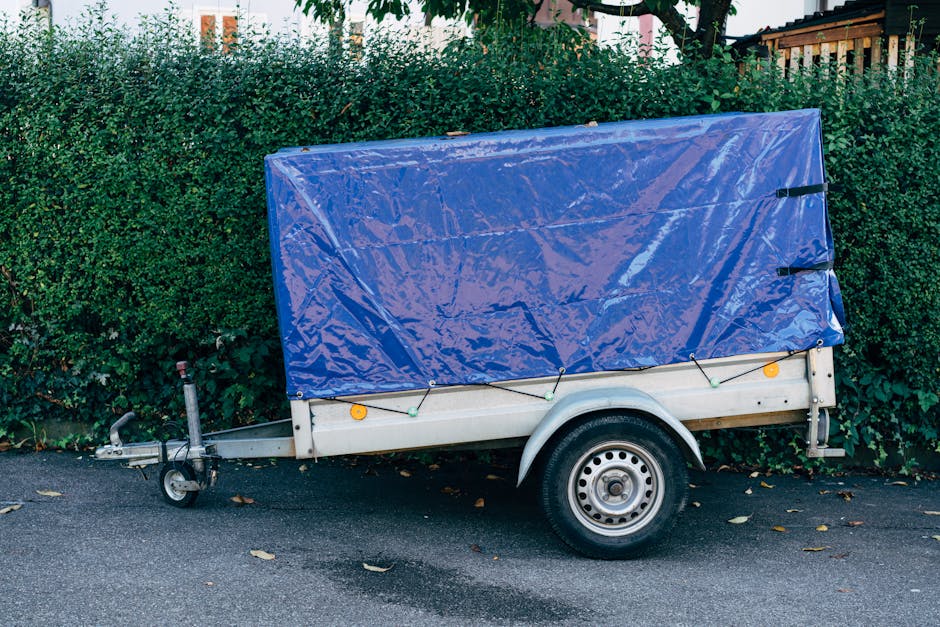
A tonneau cover keeps prying eyes off your cargo and rain off your gear, but it doesn’t keep items from sliding, shifting, or tumbling during driving. An unsecured toolbox slamming into your tailgate at every stop light, a cooler tipping and spilling across the bed, or a bag of groceries crushed under a shifting stack of lumber — these are the everyday cargo problems that a tonneau cover alone doesn’t solve.
Securing cargo under a tonneau cover requires a slightly different approach than securing cargo in an open bed because you’re working within a covered space with limited height clearance. The cover itself may interfere with some traditional tie-down methods. Here’s how to keep everything in place using methods that work specifically with covered beds.
Products are available — click below to view them!
SEE DETAILSUse a combination of factory bed tie-downs with ratchet straps for heavy items, cargo nets for loose collections of smaller items, non-slip bed mats to prevent sliding, and cargo dividers or organizer systems for regular loads. The best cargo security approach depends on what you carry — a contractor hauling tools needs a different system than a weekend camper hauling coolers and bags.
Most trucks come with factory tie-down cleats or anchor points in the bed — typically four to six locations along the bed walls or floor. These are your primary attachment points for securing cargo, and they work perfectly under a tonneau cover since they’re located below the cover surface.
Use ratchet straps or cam buckle straps hooked to the factory cleats to secure individual heavy items. Ratchet straps provide the tightest hold — ideal for toolboxes, generators, and heavy equipment. Cam buckle straps are gentler and faster to use — better for coolers, bins, and items you access frequently. Cross-strap configurations (forming an X across the cargo) prevent both forward-backward and side-to-side movement.
One tip specific to covered beds: when running straps over cargo under a tonneau cover, ensure the strap doesn’t push upward against the cover surface. A strap under tension that presses against the cover’s underside can create a pressure point that affects the cover’s sealing or panel alignment. Route straps around and under cargo rather than over the top when working with limited headroom.
Cargo nets stretch across the bed and hold multiple items in place simultaneously. They’re ideal for mixed loads — bags, boxes, and loose items that don’t justify individual strapping. Attach the net to the factory tie-downs or bed rail hooks and stretch it over the cargo. The net allows items to shift slightly (absorbing driving forces) without letting them tumble across the bed.
Cargo barriers — vertical dividers that span the bed width — create compartments within the bed. A barrier behind the cab prevents cargo from sliding forward during braking. A barrier at the tailgate prevents items from tumbling out when the tailgate opens. Some bed organizer systems combine barriers with adjustable dividers for customizable compartments.
For tonneau cover users, low-profile cargo nets that lie flat across the cargo are better than tall containment nets that stand upright. Tall nets can interfere with the cover’s closure — the net gets pinched at the cover edges or pushes up against the cover surface, preventing a proper seal.
The simplest cargo security upgrade is a non-slip surface. Rubber bed mats or textured bed liners create friction between cargo and the bed floor, preventing the sliding that causes most cargo damage. A heavy toolbox on a bare metal bed slides freely during turns and stops. The same toolbox on a rubber mat stays put through normal driving forces.
Non-slip mats work particularly well under tonneau covers because they require zero height above the bed floor — no conflict with cover clearance. They also protect the bed floor from scratches and dents while providing a cushioned surface that reduces cargo vibration. For the cost ($30–$100 for a quality mat), the combination of cargo security and bed protection is excellent value.
Spray-in bed liners serve a similar function with a permanent, more durable surface. The textured finish of a spray-in liner provides substantial friction that holds cargo in place. If you have a spray-in liner and a tonneau cover, your cargo is already more secure than most truck owners’ setups — the liner prevents sliding while the cover prevents shifting from wind forces and road vibration.
Several manufacturers offer dedicated cargo management systems designed to work inside truck beds — adjustable track-mounted dividers, sliding trays, and modular storage containers. Ford’s Bed Utility System, Ram’s RamBox and bed utility rails, and aftermarket systems from DECKED and Truck Bed Organizer create organized compartments that hold items in specific positions.
These systems are the most effective cargo security solution but also the most expensive ($200–$500+) and the most space-consuming. A DECKED drawer system, for example, provides two full-width lockable drawers but raises the bed floor by about 10 inches, reducing the usable height under a tonneau cover. For truck owners who carry the same types of items regularly (tools, equipment, supplies), the organizational benefit outweighs the height sacrifice.
Power tools and toolboxes: Use ratchet straps through the handle or around the box, anchored to bed cleats. A non-slip mat underneath prevents the base from shifting. For heavy toolboxes used daily, consider a bolt-down mounting kit that permanently secures the box to the bed floor.
Groceries and loose bags: A collapsible cargo organizer (trunk organizer style) works perfectly for grocery runs. The rigid walls keep bags upright, and the organizer can fold flat when not in use. Alternatively, a simple cargo net stretched across the tailgate area keeps bags contained without individual securing.
Coolers: Strap the cooler to bed cleats using a cam buckle strap across the lid. Place on a non-slip mat so it doesn’t slide. For frequent cooler use, some owners install a cooler-specific slide-out tray that keeps the cooler accessible from the tailgate without climbing into the bed.
Sporting equipment: Fishing rods, golf bags, and sports gear benefit from soft-sided cargo bags that prevent items from banging against each other and the bed walls. Strap bags to bed cleats and use dividers to keep different equipment categories separated.
Building materials: Lumber, drywall, and sheet goods should be flat on the bed floor, strapped through the factory tie-downs with ratchet straps. For items longer than the bed, consider whether the tonneau cover can accommodate the overhang — most covers need to be partially opened or removed for items that extend past the tailgate.
Summer: Heat is the cargo concern in summer. A covered truck bed in direct sun can reach 150°F+ internally. Avoid storing anything heat-sensitive — electronics, medications, wax-based products, or sealed containers that can pressure-build — in the covered bed during summer heat. If you must carry heat-sensitive items, use an insulated cooler bag as a thermal buffer.
Winter: Cold doesn’t damage most cargo, but freeze-thaw cycles can. Liquids left in the bed can freeze and burst their containers. Tools left in extreme cold can have brittle handles. Keep liquids above the floor on a raised surface if possible — the bed floor gets coldest — and bring sensitive electronics inside overnight.
Rainy season: Even with a tonneau cover, trace moisture can enter during sustained rain. Keep electronics and paperwork in waterproof bags or sealed containers as insurance. Position moisture-sensitive items away from the hinge lines and tailgate seal where water is most likely to enter.
Fall leaf season: Leaves accumulate on the cover surface and in the drain channels. A leaf-clogged drain tube is the most common fall maintenance issue. Clear the cover surface and flush drain tubes weekly during heavy leaf fall to prevent water backup and leaking.
The most effective cargo security isn’t a single product — it’s a layered system where each component addresses a different aspect of the problem. Here’s how to build a complete system from the ground up:
Layer 1 — Non-slip surface (foundation): Install a rubber bed mat or spray-in bed liner. This prevents all cargo from sliding, reducing the need for individual securing of lighter items. Cost: $50–$100 for a mat, $400–$600 for spray-in liner.
Layer 2 — Tonneau cover (weather and visual security): The cover keeps rain, snow, and prying eyes off your cargo. It also reduces wind forces that can shift unsecured items during highway driving. You already have this if you’re reading this article.
Layer 3 — Tie-down straps (heavy item security): Ratchet or cam buckle straps anchored to factory cleats secure individual heavy items. Keep 2–4 straps in the truck at all times. Cost: $15–$40 for a quality strap set.
Layer 4 — Cargo organizer or net (loose item management): A collapsible organizer or cargo net handles the everyday loose items — bags, boxes, sports equipment — that don’t justify individual strapping. Cost: $20–$50.
Layer 5 — Lockable storage (high-value item protection): A bolt-down lockbox or DECKED drawer system provides secure storage for your most valuable items. This layer is optional but valuable for truck owners who carry expensive tools or equipment. Cost: $100–$500.
You don’t need all five layers on day one. Start with layers 1–3 (mat, cover, straps) and add layers 4–5 as your needs develop. Most truck owners find that a bed mat plus a tonneau cover plus a set of straps handles 90% of their cargo security needs.
Bungee cords provide some hold for very light items but aren’t reliable for heavier cargo. During hard braking or sharp turns, bungee cords stretch and allow items to shift — potentially damaging cargo or the bed. Use ratchet straps or cam buckle straps for reliable cargo security. Reserve bungee cords for supplemental hold on already-secured items.
Items pressing upward against a hard cover generally won’t damage the cover but can affect panel alignment and seal compression over time. Items pressing against a soft cover can stretch the fabric and create wear points. As a rule, keep cargo below the bed rail height so nothing contacts the cover’s underside. If cargo is tall enough to touch the cover, remove or fold the cover before loading.
Yes. A locking tonneau cover prevents theft, but it doesn’t prevent cargo from shifting during driving. Unsecured items will slide, tip, and collide with each other and the bed walls regardless of whether the cover is locked. Cargo security and cover security serve different purposes — you need both.
A quality rubber bed mat ($50–$80). It prevents sliding for all cargo types, requires zero setup, doesn’t reduce bed space, and works with every tonneau cover type. It’s the foundation that makes all other cargo security methods more effective. Start with a mat, then add straps and organizers as your specific cargo needs require.