Address
2949 Boundary Street
Jacksonville, FL 32202
Work Hours
Monday to Friday: 7AM - 7PM
Weekend: 10AM - 5PM
Address
2949 Boundary Street
Jacksonville, FL 32202
Work Hours
Monday to Friday: 7AM - 7PM
Weekend: 10AM - 5PM

Every truck forum has at least one thread from a worried owner asking whether their new tonneau cover is going to chew up their bed rails or void their warranty. It’s a fair concern — you’re clamping an aftermarket accessory onto a vehicle that costs $40,000 or more. Here’s the reality: tonneau covers can cause minor cosmetic marks, but genuine structural damage is extremely rare and almost always avoidable with proper installation.
I’ve installed and removed tonneau covers on over a dozen trucks at this point, and I can tell you from direct experience what actually happens to bed rails under a tonneau cover. The short version is that most of the worry is overblown. The longer version — including the specific situations where damage can actually occur — is worth understanding so you can protect your investment properly.


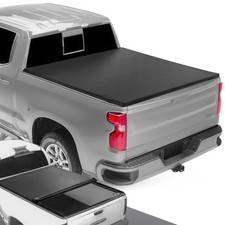


Most tonneau covers cause no meaningful damage to your truck bed when installed correctly. You may see minor scuff marks or pressure impressions on the bed rails where clamps make contact. These are cosmetic, surface-level, and typically only visible when the cover is removed. Using protective pads or rubber shims between clamps and rails prevents even these minor marks.
The most common marks from tonneau covers are small indentations or scuff marks on the bed rail surface where the mounting clamps grip the rail. These clamps apply pressure to hold the cover securely, and over months or years of vibration and thermal cycling, they can leave a slight impression in the rail’s paint or clear coat.
On unpainted aluminum or composite bed rails, the marks are usually even less noticeable. On painted rails — especially darker colors — you might see a lighter spot where the clamp wore through the clear coat. This is cosmetic only. It doesn’t affect the rail’s structural integrity, rust resistance (on aluminum or composite beds), or functionality.
Some owners also notice minor scratching on the bed rail surface near the cover’s edge. This typically happens during installation or removal, not during normal use. Sliding a heavy cover across painted metal without protective padding will scratch it — the same way moving any heavy object across your truck’s paint would.
I want to be specific about what “minor marks” means in practice. We’re talking about faint impressions that you can feel with your fingertip and see in direct sunlight at close range. From a normal viewing distance — standing beside the truck — these marks are invisible on most paint colors. They’re the truck equivalent of furniture marks on a hardwood floor — present if you look for them, irrelevant in everyday life.
Quality tonneau covers are engineered to mount securely without damaging the truck. Here’s how the design prevents issues:
Rubber-padded clamps: Nearly every reputable tonneau cover includes rubber or neoprene pads on the clamp surfaces that contact the bed rail. These pads distribute clamping pressure across a wider area, cushion against vibration, and prevent metal-on-metal contact. If your cover’s clamps don’t have pads, add them — adhesive-backed rubber sheeting from any hardware store works perfectly.
Torque-limited fastening: Installation instructions specify clamping torque for a reason. Tight enough to prevent movement, but not so tight that you’re crushing the rail. Following the manufacturer’s torque spec eliminates nearly all risk of clamp-related damage. Think of it like lug nuts on a wheel — there’s a specific range that’s correct, and going beyond it causes problems.
No-drill mounting: The vast majority of modern tonneau covers use clamp-on mounting that doesn’t require drilling holes in your truck. No holes means no permanent modifications and no compromise to the bed’s corrosion protection. This is a significant improvement over older tonneau cover designs from the 1990s and early 2000s that often required bolt-through mounting.
Distributed load design: Good covers spread their weight and clamping pressure across multiple points along the bed rail rather than concentrating force at just two or three locations. This distributed approach means no single point on the rail bears enough pressure to cause deformation. Budget covers with fewer clamp points concentrate more force at each location, which is one reason why buying quality hardware matters.
While normal use is safe, there are a few scenarios where tonneau covers can cause problems worth knowing about:
Over-tightened clamps: This is the most common cause of avoidable damage. Cranking the clamps beyond the recommended torque can bend thin-gauge bed rails, crack composite bed materials, or permanently deform the rail’s cross-section. Use a torque wrench if the instructions provide a spec, and use hand-tight-plus-a-quarter-turn as a reasonable guideline if they don’t. The instinct to make everything “extra tight” is counterproductive here.
Vibration wear without protective pads: If the rubber pads on your clamps deteriorate or fall off, the bare metal clamp surface will vibrate against the bare metal rail. Over thousands of miles, this creates noticeable wear marks and can eventually remove enough material to create a visible groove. Check your clamp pads annually and replace them when they show significant wear. A $5 sheet of rubber from the hardware store prevents hundreds of dollars in paint correction.
Improper fit: A tonneau cover designed for a different bed length or truck model can cause stress points on the rails. The clamps might sit in the wrong positions, apply pressure unevenly, or bridge gaps in ways the rails weren’t designed to handle. Always buy a cover specifically listed for your truck’s year, make, model, and bed length. “Close enough” doesn’t work with tonneau cover fitment.
CarbonPro and composite beds: GMC’s CarbonPro bed and similar composite materials are strong but can crack under concentrated point loads. Tonneau cover manufacturers typically include specific instructions for composite beds — reduced clamp torque, wider pad distribution, and sometimes completely different mounting hardware. Ignoring these guidelines risks cracking the bed material, which is an expensive repair.
Leaving a loose cover on during driving: A cover that isn’t properly secured will shift and vibrate during driving. This creates friction between the cover frame and the bed rails at every contact point. Over time, this friction generates more damage than a properly clamped cover would cause in a decade. If you notice your cover shifting or rattling while driving, stop and retighten the clamps before continuing.
A few simple precautions eliminate virtually all risk of tonneau cover damage:
Apply painter’s tape or protective film: Before installing the cover, lay strips of painter’s tape or clear adhesive film along the bed rail surface where the clamps will sit. This creates a sacrificial layer that absorbs any friction or pressure marks instead of your truck’s finish. When you eventually remove the cover, peel off the tape and the rails look untouched. Some owners use 3M clear bra film for even better protection — it’s thicker and more durable than painter’s tape.
Use the provided rubber pads: Don’t skip the rubber clamp pads that come with the cover. If they seem too thin or flimsy, upgrade to thicker neoprene pads. A few millimeters of rubber make a significant difference in mark prevention.
Tighten to spec, then check after 100 miles: Clamps can settle during the first few drives as rubber pads compress and components seat against the rails. Recheck clamp tightness after the first 100 miles and adjust if needed. A cover that’s slightly loose will shift during driving, creating more friction wear than a properly secured cover.
Lift, don’t slide: When installing or removing the cover, lift it off the rails rather than dragging it. Sliding a 50-pound aluminum cover across your painted bed rail is asking for scratches. Have a helper hold one end while you position the other. If working alone, use moving blankets draped over the rails as a protective surface while positioning the cover.
Document the installation: Take photos of your bed rails before installing the cover. This serves two purposes: you can compare the condition later when removing the cover, and you have evidence of pre-existing condition if a warranty or resale question ever comes up. A timestamped photo takes 10 seconds and can save significant hassle later.
Under the Magnuson-Moss Warranty Act, a dealer cannot void your truck’s warranty simply because you installed a tonneau cover. They would need to prove that the tonneau cover directly caused the specific failure in question. In practice, tonneau covers don’t cause mechanical failures — they sit passively on the bed rails.
That said, if you over-tighten clamps and bend a bed rail, the damage caused by your installation won’t be covered under warranty. The cover itself isn’t the issue — the improper installation is. Document your installation process, follow the instructions, and keep your receipts.
Some dealers may try to blame a tonneau cover for unrelated issues — this is unfortunately common in the automotive industry. If a dealer refuses warranty coverage and blames your tonneau cover for something unrelated (like an engine issue or transmission problem), request the claim in writing and escalate to the manufacturer’s customer service. The Magnuson-Moss Act is firmly on the consumer’s side in these situations.
Spray-in bed liners generally play well with tonneau covers. The liner provides an additional layer of protection between the clamps and the bed rail, and most covers are designed to accommodate the slight profile change a liner adds. In fact, a spray-in liner under a tonneau cover is one of the best combinations for long-term bed protection — the liner protects from below, the cover protects from above.
Drop-in plastic bed liners are more problematic. They alter the bed rail profile significantly, can shift under clamping pressure, and sometimes prevent covers from sealing properly. If you have a drop-in liner, check whether the tonneau cover requires the liner to be trimmed at the rail contact points. Some covers include spacer kits specifically for drop-in liner compatibility.
One combination to avoid: a drop-in liner with a clamp-on tonneau cover and no spacers. The clamps will compress the plastic liner against the bed rail, and over time the liner can crack or deform at the clamp points. Either trim the liner, use spacers, or switch to a spray-in liner for full compatibility.
Minor clamp marks on bed rails don’t meaningfully affect resale value — dealers and buyers expect some signs of accessory use on used trucks. If anything, having owned a tonneau cover suggests you took care of the bed and kept cargo protected. The cover itself may add value if you sell it with the truck. Clean the rails and apply touch-up paint to any visible marks before listing the truck for sale.
On steel-bed trucks, if a clamp wears through the paint and clear coat, the exposed metal could theoretically rust. In practice, this is rare because clamp pads prevent paint breakthrough. If you notice exposed metal after removing a cover, touch it up with automotive touch-up paint to prevent oxidation. Aluminum-bed trucks (like the Ford F-150) don’t have this concern since aluminum doesn’t rust.
Stake pocket mounts distribute weight through the pockets rather than clamping the rail edges, so they eliminate rail surface marks entirely. However, they can cause wear inside the stake pocket holes over time. The trade-off is usually worth it if your cover offers stake pocket mounting as an option, especially if you plan to remove and reinstall the cover frequently.
Minor cosmetic marks from tonneau cover clamps typically fall within normal wear-and-tear allowances on most lease agreements. To be safe, use protective tape or film during installation, and remove the cover well before your lease return inspection so you can address any marks. Check your specific lease terms for aftermarket accessory clauses — some leases are stricter than others about aftermarket modifications.
Most bed-mounted accessories coexist fine with tonneau covers. Bed extenders fold flat when not in use and sit below the cover. Cargo dividers typically mount inside the bed walls, away from the rail contact points. The key is ensuring that no accessory creates a pressure point between the cover frame and the bed surface — check for rubbing or contact when closing the cover with accessories installed.
Tonneau covers don’t damage truck beds — improper installation and neglected maintenance do. Follow the installation instructions, use protective pads, torque to spec, and inspect your clamp points annually. Do those things, and your bed rails will look the same the day you remove the cover as the day you installed it. The tonneau cover market has decades of engineering refinement behind it, and today’s covers are designed specifically to protect your truck while protecting your cargo. Trust the process, follow the directions, and stop worrying about your rails.