Address
2949 Boundary Street
Jacksonville, FL 32202
Work Hours
Monday to Friday: 7AM - 7PM
Weekend: 10AM - 5PM
Address
2949 Boundary Street
Jacksonville, FL 32202
Work Hours
Monday to Friday: 7AM - 7PM
Weekend: 10AM - 5PM
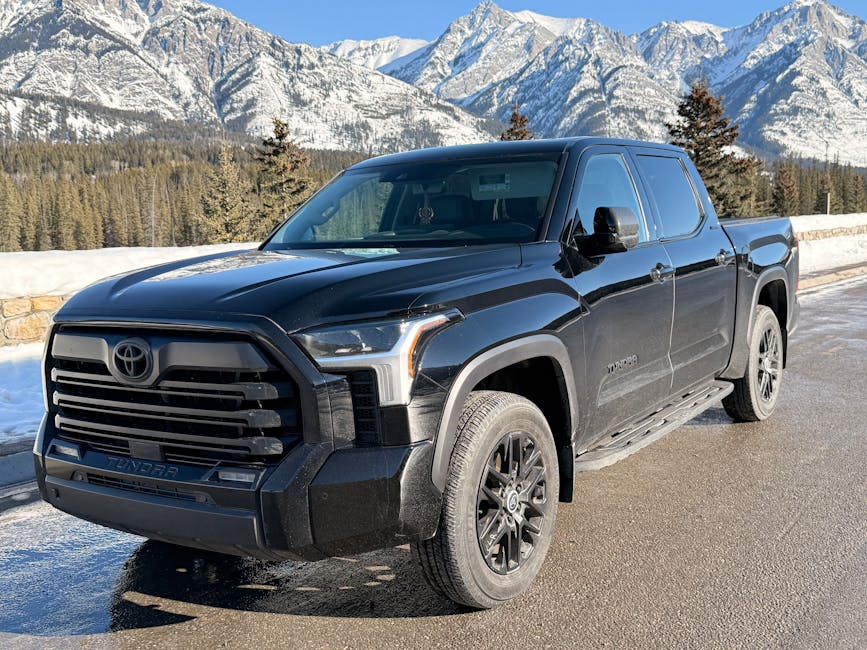
The Toyota Tundra has been a favorite among truck owners who want full-size capability with Toyota’s legendary reliability. Whether you’re running a second-generation Tundra (2007–2021) or the new third-gen (2022+), finding the right tonneau cover means matching the cover to your specific bed configuration and understanding the fitment quirks that Tundra owners deal with. This guide breaks down the best options for both generations and all bed lengths.
The Tundra market is interesting because Toyota redesigned the truck so dramatically between the second and third generations. The 2022+ Tundra has a completely new bed design, new rail profile, and different dimensions than the outgoing model. If you’re shopping for a cover, generation accuracy is critical — a cover for the 2021 Tundra will not fit a 2022, despite both being “Tundras.”
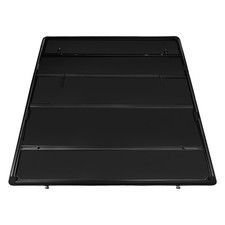


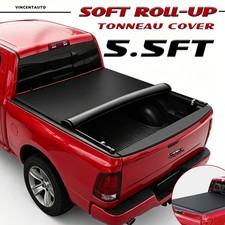

For the 2022+ Tundra, the BAKFlip MX4 is the best overall hard folding option with confirmed fitment for the new bed design. The TruXedo TruXport offers the best budget soft roll-up. For the 2007–2021 generation, the same brands apply, with the additional option of the Retrax RetraxONE MX for owners wanting a retractable setup — the retractable market has more established fitment data for the older generation.
The second-generation Tundra (2007–2021) came with three bed lengths: 5.5-foot short bed (Double Cab and CrewMax), 6.5-foot standard bed (Double Cab), and 8.1-foot long bed (Regular Cab). The CrewMax with the 5.5-foot bed is overwhelmingly the most common configuration and has the widest tonneau cover selection.
The third-generation Tundra (2022+) simplified to two bed lengths: 5.5-foot (CrewMax) and 6.5-foot (Double Cab). The 8-foot bed was discontinued. Importantly, the 2022+ bed rails have a different profile than the previous generation — they’re slightly wider with a different inside lip geometry. This means covers must be specifically designed or confirmed for the new platform.
Toyota also introduced a composite bed option on higher trims of the 2022+ Tundra. Like GMC’s CarbonPro, the composite bed requires attention to clamping torque during installation. Over-tightening can crack the composite rail material. Most reputable tonneau cover brands include composite bed installation notes in their Tundra-specific instructions.
The MX4 was one of the first premium covers to release confirmed fitment for the 2022+ Tundra, and it performs as well on the new platform as it does on every other truck it fits. The matte DURA-coated aluminum panels, four-corner drainage, and flush-mount profile all work beautifully with the Tundra’s new body lines. The 5.5-foot CrewMax version weighs about 58 pounds and installs in 30 minutes.
On the 2022+ Tundra specifically, the MX4’s low-profile design complements the truck’s more streamlined styling. The outgoing Tundra was boxy and utilitarian; the new one is more sculpted, and the MX4’s flush appearance matches that design direction. The cover also clears the optional power rear window without interference, which matters for Tundra owners who use the sliding rear glass for cab ventilation.
The Pro X15’s woven fabric and low-profile frame create a clean look on the Tundra that sits just below the rail line. The tension system keeps the cover tight at highway speeds — important on the Tundra because the 5.5-foot bed creates more aerodynamic turbulence behind the tall CrewMax cab than shorter-cab trucks. At around $400, it’s the best premium soft option for the new Tundra.
For Tundra owners who want hard panel protection without the MX4’s price tag, the Solid Fold 2.0 delivers reliable performance at about $150 less. The EnduraShield panels handle the UV exposure that Tundra beds see — many Tundras live in sun-heavy markets like Texas, California, and Florida where Toyota sells heavily. The snap-latch system works well with the Tundra’s rail profile.
The outgoing Tundra has the advantage of a mature aftermarket with years of real-world fitment data. Virtually every tonneau cover brand offers confirmed fitment for this generation across all three bed lengths.
Everything that makes the MX4 excellent on the new Tundra applies to the previous generation. The cover has years of proven performance on 2007–2021 Tundras and thousands of satisfied owners. Fitment is dialed in and installation guides are thorough.
The TruXport for the 2007–2021 Tundra is one of the most reviewed tonneau covers online, with consistently positive feedback across all bed lengths. The 5.5-foot CrewMax version is the most popular configuration. At under $300, it’s a no-hesitation purchase for Tundra owners wanting reliable basic protection.
The retractable market has excellent options for the older Tundra. The RetraxONE MX’s polycarbonate sheet retracts smoothly on the 5.5-foot bed, and the keyed lock system provides strong security. The canister takes about 11 inches of bed space — proportionally significant on the short bed but manageable for most cargo scenarios. On the 6.5-foot bed, the canister impact is less noticeable.
Deck rail system: Many Tundras come with Toyota’s factory deck rail system — sliding cargo tie-downs mounted in channels along the bed rails. Most clamp-on tonneau covers are compatible with the deck rail system, but you may need to reposition the deck rail stops to avoid interference with cover clamp locations. Check your specific cover’s installation guide for deck rail compatibility notes.
TRD Pro and off-road trims: The TRD Pro includes a stamped bed with more aggressive contours than standard Tundra beds. Most covers fit without issues, but the stamped areas near the tailgate can affect seal contact on some models. Confirm fitment specifically for TRD Pro if that’s your trim.
Bed length and cab configuration: The 5.5-foot bed on the CrewMax is by far the most common configuration and has the widest cover selection. The 6.5-foot bed on the Double Cab has good but slightly fewer options. The 8.1-foot bed on 2007–2021 Regular Cabs has the most limited selection — not all brands offer covers for this rare configuration. Confirm availability before setting your heart on a specific brand.
Towing considerations: Many Tundra owners tow boats, trailers, and campers. If you tow frequently and need bed access at launch ramps or campgrounds, consider how quickly and easily the cover opens. Roll-up and retractable covers offer faster access than tri-folds when you’re managing a trailer connection simultaneously.
Overlanding and camping builds: The Tundra is a popular platform for overlanding, and tonneau covers play a key role in these builds. Retractable covers with T-slot rails (like the Retrax PowertraxPRO) let you mount roof-top tent platforms, crossbars, and accessory rails directly on the cover’s rail system. Hard folding covers work with most bed rack systems that mount to the stake pockets. If you’re building an overland Tundra, plan your cover and rack system together — compatibility between these two accessories determines how well the overall build functions.
Weight and payload: The Tundra’s payload capacity varies by configuration but typically falls between 1,500 and 1,900 pounds. A 60-pound hard tonneau cover is a small fraction of this capacity, but it’s worth calculating if you frequently haul heavy loads. The Tundra’s payload is already lower than some full-size competitors, so every pound of accessory weight matters more proportionally. Soft covers at 15–25 pounds are the lightest option if payload preservation is a priority.
Climate considerations for Tundra markets: Toyota sells heavily in markets with diverse climates — the Tundra is popular in Texas (extreme heat and UV), the Pacific Northwest (constant rain), the Mountain West (snow and altitude), and the Southeast (humidity and storms). Match your cover choice to your local conditions. Hard covers with UV-resistant coatings and drainage systems handle the widest range of climates. Soft covers work well in moderate conditions but require more attention in UV-heavy and rain-heavy environments.
The Tundra’s bed height is taller than many midsize trucks, which affects how you interact with the cover during installation and daily use. When installing a hard folding cover, position the cover on the bed rails before tightening any clamps — slide it into approximate position, then fine-tune alignment. On the CrewMax with the 5.5-foot bed, the shorter bed length makes alignment quick. On the 6.5-foot Double Cab bed, check that the front panel sits evenly against the bulkhead seal before securing the rear clamps.
One Tundra-specific installation note: the factory bed rail caps on some trims have a slight taper that can affect clamp grip. If your clamps feel like they’re not biting firmly, try repositioning them a quarter-inch forward or backward along the rail — the taper changes along the rail length, and a slightly different position often provides a more secure grip. This is a well-known Tundra quirk that most tonneau cover installation guides don’t mention.
The Tundra deserves a tonneau cover that matches its reliability and capability. The BAKFlip MX4 is the best overall choice for both generations — proven, well-fitted, and aesthetically excellent on the Tundra’s body lines. Budget-conscious Tundra owners get excellent value from the TruXedo TruXport, and overlanding builds should consider the Retrax PowertraxPRO XR for its integrated rack rail system. Confirm your generation, bed length, and bed material before ordering, and you’ll end up with a cover that serves the truck well for years.
Yes, absolutely. The 2022+ Tundra has a completely redesigned bed with different dimensions and rail profiles. Covers built for the 2007–2021 generation will not fit the 2022+ model. Always verify that the cover explicitly lists your model year in its fitment guide.
The factory bed extender typically folds flat against the tailgate inner surface when not in use. Most tonneau covers are compatible with the extender in this stored position. When the extender is deployed into the bed, it will conflict with the cover. You’ll need to remove or fold the extender before closing the cover.
No. The Tundra has a wider bed than most competitors — approximately 66.4 inches between the wheel wells compared to about 50–51 inches on the F-150 and Silverado. This wider bed is one reason Tundra-specific covers aren’t interchangeable with other brands. The wider floor is a Tundra advantage for cargo, but it means fewer universal-fit accessories work.
Yes, but compatibility depends on both the cover and rack design. Retractable covers with T-slot rails (like the Retrax PowertraxPRO) integrate rack systems directly. Hard folding covers require racks that mount to stake pockets or bed floor rails rather than the bed rail surface where the cover sits. Check both the cover and rack manufacturers’ compatibility guides for your specific Tundra generation.
The composite bed option on 2022+ Tundra higher trims requires reduced clamping torque during tonneau cover installation to avoid cracking the material. Most manufacturers include specific torque recommendations for composite beds. Use the specified torque values and consider adding wider rubber pads to distribute clamping pressure over a larger area.