Address
2949 Boundary Street
Jacksonville, FL 32202
Work Hours
Monday to Friday: 7AM - 7PM
Weekend: 10AM - 5PM
Address
2949 Boundary Street
Jacksonville, FL 32202
Work Hours
Monday to Friday: 7AM - 7PM
Weekend: 10AM - 5PM
Winter is where tonneau covers earn their keep — or reveal their limitations. Snow loads, ice formation, road salt, freezing temperatures, and winter-specific cargo needs all test a cover differently than summer conditions. If you live anywhere that gets real winter weather, the question isn’t whether a tonneau cover is useful — it’s whether the right tonneau cover makes a meaningful difference in how your truck handles the season.
After collecting feedback from owners across northern states, Canada, and mountain regions, I can tell you that winter is where cheap covers fail and quality covers prove their value. The temperature extremes, moisture cycles, and mechanical stress of winter operation separate the well-engineered covers from the marketing-driven ones.
Products are available — click below to view them!
SEE DETAILSYes, tonneau covers are absolutely worth it in winter climates. They protect cargo from snow and ice, prevent road salt from accumulating in the bed, keep the bed dry for winter-specific cargo, and reduce wind chill on items stored in the bed. Hard folding covers perform best in winter conditions due to their rigid panels, snow load capacity, and cold-weather seal reliability. Soft covers work but require more attention to tension and maintenance during cold months.
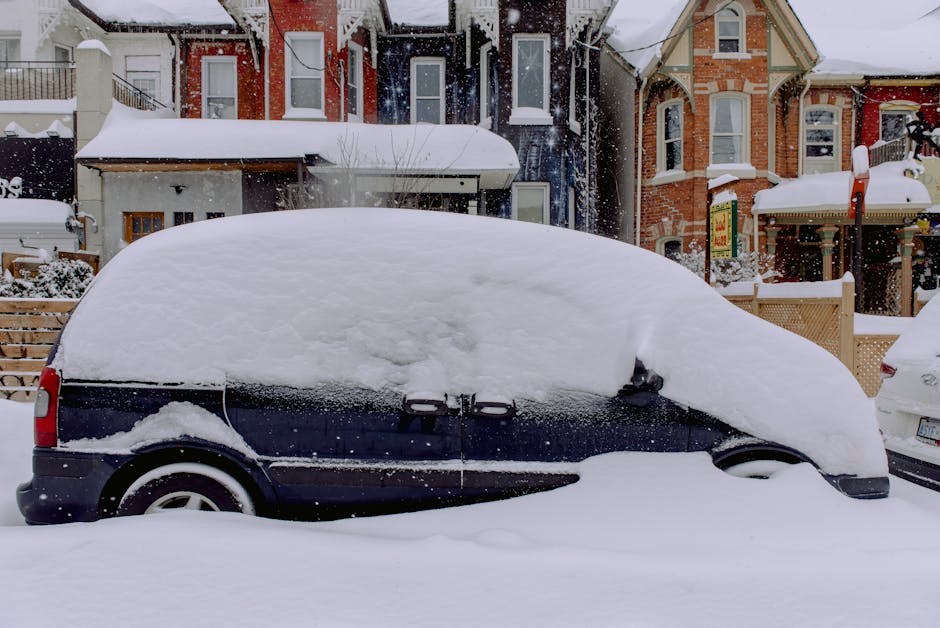
The most visible winter challenge is snow accumulating on the cover surface. Hard folding covers handle snow loads well — the rigid aluminum panels distribute weight to the bed rails through the frame, supporting 300–400 pounds of evenly distributed load on most models. A foot of fresh snow on a 5.5-foot bed weighs roughly 100–200 pounds depending on moisture content, well within most hard covers’ capacity.
Soft covers handle snow loads poorly. The flexible material sags under weight, stretching the fabric and stressing the frame. Even a few inches of wet, heavy snow can cause significant sagging on a soft roll-up. If left unattended during a multi-day snowfall, the accumulated weight can permanently stretch the vinyl, create tears at stress points, or damage the frame crossbars. Soft cover owners in snow climates need to brush off accumulation regularly — after every significant snowfall.
Retractable covers fall between hard folding and soft in snow handling. The interlocking slats support moderate snow loads when the cover is fully closed and locked. However, snow that accumulates between slat joints can pack into the rail tracks and canister, causing operational issues when you try to retract the cover. Always clear snow from the cover surface and rail edges before operating a retractable cover.
Ice creates problems that snow alone doesn’t. When temperatures fluctuate around freezing, meltwater enters seal joints and refreezes, creating ice dams that force seals open and allow water into the bed. These freeze-thaw cycles are the single most damaging winter condition for tonneau cover seals.
On hard covers, ice can form at hinge points, preventing panels from folding. On retractable covers, ice in the rail tracks can jam the mechanism entirely. On soft covers, ice formation on the fabric surface adds rigid weight that the flexible material isn’t designed to handle, and ice in the latch mechanism can prevent opening or closing.
Prevention is straightforward: before operating your cover on a cold morning, check for ice at moving parts. A few minutes with a heat gun, warm water, or even just waiting for the cab heater to warm the rear window area (which radiates heat toward the front panel) prevents forcing frozen mechanisms and causing damage.
Cold affects different tonneau cover materials in predictable ways. Rubber seals stiffen and lose compression — a seal that springs back instantly at 70°F may stay compressed at -10°F, creating gaps. Vinyl becomes rigid and brittle, increasing crack risk at fold points. Aluminum contracts slightly, which can affect panel alignment and seal contact. Polycarbonate (on retractable covers) becomes less flexible, potentially affecting how slats feed into the canister.
All of these effects are temporary and reversible — materials return to normal as temperatures rise. But during cold snaps, expect your cover to feel different. Latches may be stiffer, panels may resist folding, and seals may not compress as fully. Don’t force anything — gentle operation prevents damage that would require repair.
Road salt protection: Road salt is brutally corrosive. An open truck bed collects salt spray from every drive, coating the bed floor, walls, and any cargo with a corrosive film. A tonneau cover shields the bed interior from the vast majority of salt spray. Your bed floor, tie-downs, and stored items stay cleaner and last longer. This alone justifies a tonneau cover for winter driving.
Dry cargo area: Winter cargo often includes items that need to stay dry — de-icer bags, emergency kits, blankets, recovery gear, wood pellets, and groceries. An open bed exposes everything to snow, sleet, and freezing rain. A tonneau cover creates a sheltered cargo space that stays dry enough for everyday items.
Reduced ice accumulation inside the bed: An uncovered bed fills with snow that melts slightly during sunny hours and refreezes overnight, creating a layer of ice on the bed floor that’s difficult to remove and adds unnecessary weight. A tonneau cover prevents most snow from entering the bed in the first place.
Improved aerodynamics in winter: Winter air is denser than summer air, which means aerodynamic drag increases. A tonneau cover’s drag reduction benefit is slightly more pronounced in cold, dense winter air. The fuel savings are modest but contribute to overall winter driving efficiency.
Best overall: Hard tri-fold covers. Rigid panels handle snow, maintain seal contact in cold, and operate reliably with minimal cold-weather adjustment. The BAKFlip MX4 and Extang Solid Fold 2.0 both perform well through harsh winters.
Best for heavy snow regions: Hard folding covers with reinforced hinge systems. The additional structural integrity prevents hinge failure under heavy snow loads. Avoid soft covers entirely if your region gets sustained heavy snowfall.
Acceptable for moderate winter: Quality soft covers like the TruXedo Pro X15 handle moderate winter conditions (occasional snow, temperatures above 0°F) adequately with regular maintenance. The woven fabric resists cold-temperature cracking better than standard vinyl.
Use caution: Retractable covers in heavy snow areas. The rail and canister mechanism requires more cold-weather attention than folding covers. If you’re willing to maintain the rails and clear snow before each operation, retractable covers work fine. If you want minimal winter fuss, a hard folding cover is simpler.
Apply silicone-based lubricant to all seals before the first freeze. This maintains flexibility through cold months. Lubricate hinges and latches with cold-weather grease or dry PTFE spray — standard lubricants can thicken in extreme cold. Clear snow from the cover surface before each drive — a soft-bristle push broom works without scratching. Check drain tubes monthly during winter — frozen debris in drain tubes causes ice dam leaks. After winter, wash the cover thoroughly to remove road salt residue, then apply UV protectant and fresh seal conditioner.
A tonneau cover turns your truck bed into a useful winter storage space. Here’s what experienced winter truck owners keep under the cover throughout the cold season:
Emergency kit: A winter emergency bag with blankets, hand warmers, flashlight, jumper cables, and basic tools. Stored in the bed under the cover, it’s accessible without cluttering the cab.
Recovery gear: Tow straps, D-rings, traction boards, and a shovel. These items are bulky and dirty — perfect for the covered bed rather than inside the cab. A locking tonneau cover keeps recovery gear secure when the truck is parked at trailheads or lots.
De-icer and windshield fluid: Keep extra jugs of windshield washer fluid and de-icer spray in the covered bed. They’re always available when you need them without taking up cab space.
Season-specific sporting equipment: Skis, snowboards, ice fishing gear, and snowshoes ride safely in the covered bed, protected from road salt and additional snow accumulation during the drive.
Is a tonneau cover worth the investment specifically for winter use? Consider these factors:
Road salt protection alone justifies the cost. Road salt corrodes bare metal bed surfaces, degrades spray-in bed liners, and damages any cargo exposed to it. A tonneau cover that prevents salt accumulation in the bed saves money in long-term bed maintenance and cargo replacement. The cover pays for itself in prevented salt damage within 2–3 winters.
Cargo flexibility increases. Without a cover, anything you put in the bed during winter gets covered in snow, salt spray, and ice within a single drive. With a cover, you can carry dry goods, groceries, packages, and equipment without worrying about winter conditions ruining them. This flexibility has practical value that’s difficult to quantify but immediately noticeable.
The right cover for winter doesn’t have to be expensive. Even a budget soft cover like the TruXedo TruXport provides meaningful winter protection — it keeps snow out, reduces salt exposure, and shelters cargo from freezing rain. You don’t need a $1,200 hard cover to benefit from winter coverage, though hard covers do handle the season with less maintenance and better snow load management.
Winter is the season where tonneau covers transition from “nice to have” to “genuinely practical.” The protection against snow, salt, and freezing conditions extends your bed’s life, protects your cargo, and reduces the maintenance headaches of winter truck ownership. If you’ve been on the fence about a tonneau cover and your truck lives through real winters, this is the use case that tips the decision. Invest in a quality hard folding cover before the first snowfall, maintain it properly through the season, and your truck bed will thank you every spring.
It prevents most ice by keeping snow out of the bed in the first place. Some moisture may still enter through seals during freeze-thaw cycles, and condensation can form on the bed floor during temperature swings. But the amount of ice formation is dramatically less with a cover than without one.
Yes. The tonneau cover and snowplow operate on completely different parts of the truck. The cover sits on the bed rails while the plow mounts to the front frame. The cover protects your bed from salt, sand, and debris that snowplowing throws onto the truck.
No — winter is when the cover provides the most value. Keep it installed to protect the bed from snow, ice, and salt. The cover itself is designed to handle winter conditions. Just maintain it properly through the season.
Soft vinyl covers can crack in extreme cold (below -20°F) if flexed aggressively — don’t force a stiff roll-up to roll in deep cold. Hard aluminum and polycarbonate covers don’t crack from cold alone but may become slightly stiffer to operate. Allow a few minutes for the sun or cab heat to warm the cover slightly before operating in extreme cold.